


Urinary Tract Discomfort Causes Relief and Prevention
You finish urinating, stand up, and feel the familiar sting. A few minutes later, your bladder seems to be asking for attention again, even though you barely went. Maybe there's pressure low in your pelvis, tenderness around the vulva, or a vague feeling that something is off. You may wonder, “Is this a urinary tract infection, irritation from sex or soap, or something connected to changing hormones?”
That uncertainty is common. Urinary tract discomfort describes an experience, not a diagnosis. Burning, urgency, frequency, pressure, and pain can come from several overlapping causes, and treating every episode as a UTI can miss what your body is signaling. The aim isn't to dismiss your symptoms or encourage you to diagnose yourself. It's to help you notice patterns, understand the difference between infection and irritation, and know when testing or professional care makes sense.
Table of Contents
- Introduction to Urinary Tract Discomfort and Why It Confuses So Many
- How Your Urinary Tract Works and What Discomfort Really Signals
- Common Causes Behind Urinary Tract Discomfort From UTIs to Irritation
- UTI vs Irritation vs Hormonal Changes How to Tell the Difference
- How to Assess Your Symptoms and When to See a Clinician
- Prevention and Self Care Routines That Support Urinary Comfort
- Finding Lasting Comfort and Building Your Personal Care Plan
Introduction to Urinary Tract Discomfort and Why It Confuses So Many
Urinary symptoms rarely arrive in a neat package. One person may notice burning only after sex. Another may feel urgency throughout the day after using a fragranced product. Someone in perimenopause may experience dryness, stinging, and recurrent UTI-like episodes without a positive urine culture. Each experience can feel similar in the moment, even though the underlying cause may differ.
That overlap creates a frustrating loop. You feel discomfort, assume it's a UTI, seek antibiotics or home remedies, and then wonder what's happening when symptoms linger or return. A negative test can be confusing too, especially when the burning is real and disruptive.
Your symptoms are real even when the explanation isn't immediately obvious.
Urinary tract discomfort can involve the urethra, bladder, vulvar skin, vagina, pelvic floor, or nearby tissues. A urinary tract infection is one possibility, but so are contact irritation, vaginal infections, sexually transmitted infections, bladder pain conditions, stones, and genitourinary syndrome of menopause, often shortened to GSM.
The scale of urinary symptoms helps explain why a more careful lens matters. A systematic review of 222 studies from 36 countries, including 1,692,110 participants, found that 63.2% of people had some lower urinary tract symptoms and 31.3% had moderate-to-severe symptoms, according to the review indexed by PubMed. Those figures include symptoms such as urgency, frequency, and pain, not only confirmed infections.
This guide follows a practical path. First, you'll learn how the urinary tract and surrounding vulvovaginal tissues work together. Then you'll compare common causes, assess patterns, identify warning signs, and build everyday habits that support comfort without reducing every symptom to “just a UTI.”
How Your Urinary Tract Works and What Discomfort Really Signals
Think of the urinary tract as a small plumbing system with a protective neighborhood around it. The kidneys make urine, the ureters carry it to the bladder, and the urethra carries it out. The vulva, vagina, and the opening of the urethra sit close together, so irritation in one area can feel as if it's coming from another.
Urine flow helps move microbes out of the urethra and bladder. The surrounding vulvovaginal environment also has its own defenses, including protective flora and acidity. When those systems remain balanced, they support comfort. When the balance shifts, sensitive tissues can send warning signals such as stinging, urgency, frequency, tenderness, or pressure.
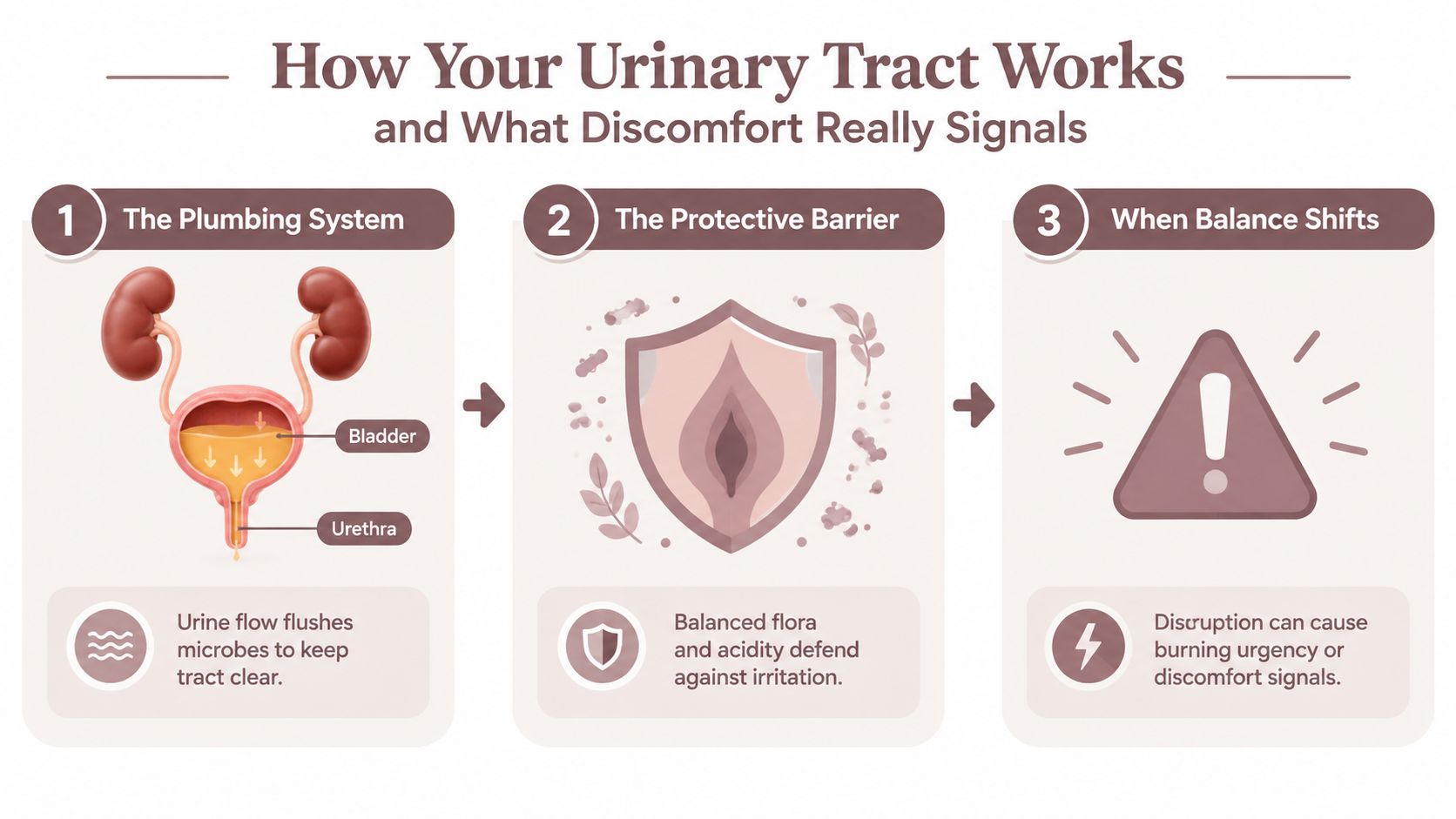
Discomfort is a message, not a verdict
A burning sensation can happen when urine passes over inflamed urethral or vulvar tissue. It can also happen when bacteria have multiplied in the bladder. The sensation alone can't reliably tell you which one is happening.
Frequency works the same way. A bladder infection can create a strong, repeated urge to urinate. So can bladder sensitivity, concentrated urine, pelvic floor tension, hormonal tissue changes, or exposure to an irritant. The bladder and urethra are responsive tissues, not perfectly specific diagnostic instruments.
The surrounding skin matters, too. Douches, sprays, powders, fragranced washes, and other products can disturb or inflame the vulvar barrier. Public-health guidance also emphasizes hydration, postcoital voiding, and avoiding genital irritants as part of urinary health support. You can explore a plain-language overview of urinary tract health and everyday protection, but persistent or severe symptoms still deserve individual medical assessment.
A useful mental shift is to ask, “What pattern is my body showing?” instead of only asking, “Which product or treatment will make this stop?” Timing, associated vaginal symptoms, menopause status, sexual activity, and test results can add meaning to the initial sensation.
Common Causes Behind Urinary Tract Discomfort From UTIs to Irritation
A UTI often begins when bacteria from the rectal or perineal area enter the urethra and travel upward. Female anatomy can increase that opportunity because the urethra is shorter, and recent sexual activity or changes in vaginal flora can further raise risk. The CDC's UTI guidance highlights bacterial ascent, postcoital voiding, hydration, and avoiding genital irritants as relevant parts of prevention.
A bladder infection may cause burning during urination, urgency, frequency, pelvic discomfort, or changes in urine. But those symptoms aren't exclusive to infection. If discomfort appears soon after intercourse, especially on the external skin, friction, dryness, lubricant ingredients, condoms, or spermicide may be contributing. The urethral opening can become sensitive after mechanical pressure even when bacteria aren't the cause.
Three patterns worth keeping in view
Infection is one pattern. Bacterial UTIs need appropriate evaluation and, when confirmed or strongly suspected by a clinician, suitable treatment. Recurrent episodes shouldn't automatically lead to repeated self-treatment. In recurrent cases, postcoital antimicrobial prophylaxis has evidence of reducing recurrences compared with placebo, as described in the CDC-linked clinical review.
Irritation is another. Fragranced products, douches, sprays, powders, tight clothing, sweat, and friction can inflame external tissue. Dehydration and bladder irritants may also make urine feel harsher or increase urgency, though removing a suspected trigger doesn't prove that it caused the symptoms.
Hormonal change creates a third major pattern. During perimenopause and after menopause, declining estrogen can affect the tissues and environment around the vulva, vagina, urethra, and bladder. GSM can produce dryness, urgency, frequency, dysuria, and recurrent UTI-like symptoms. Specialist guidance from the American Urological Association recommends considering local low-dose vaginal estrogen for appropriate patients with GSM and recurrent UTIs.
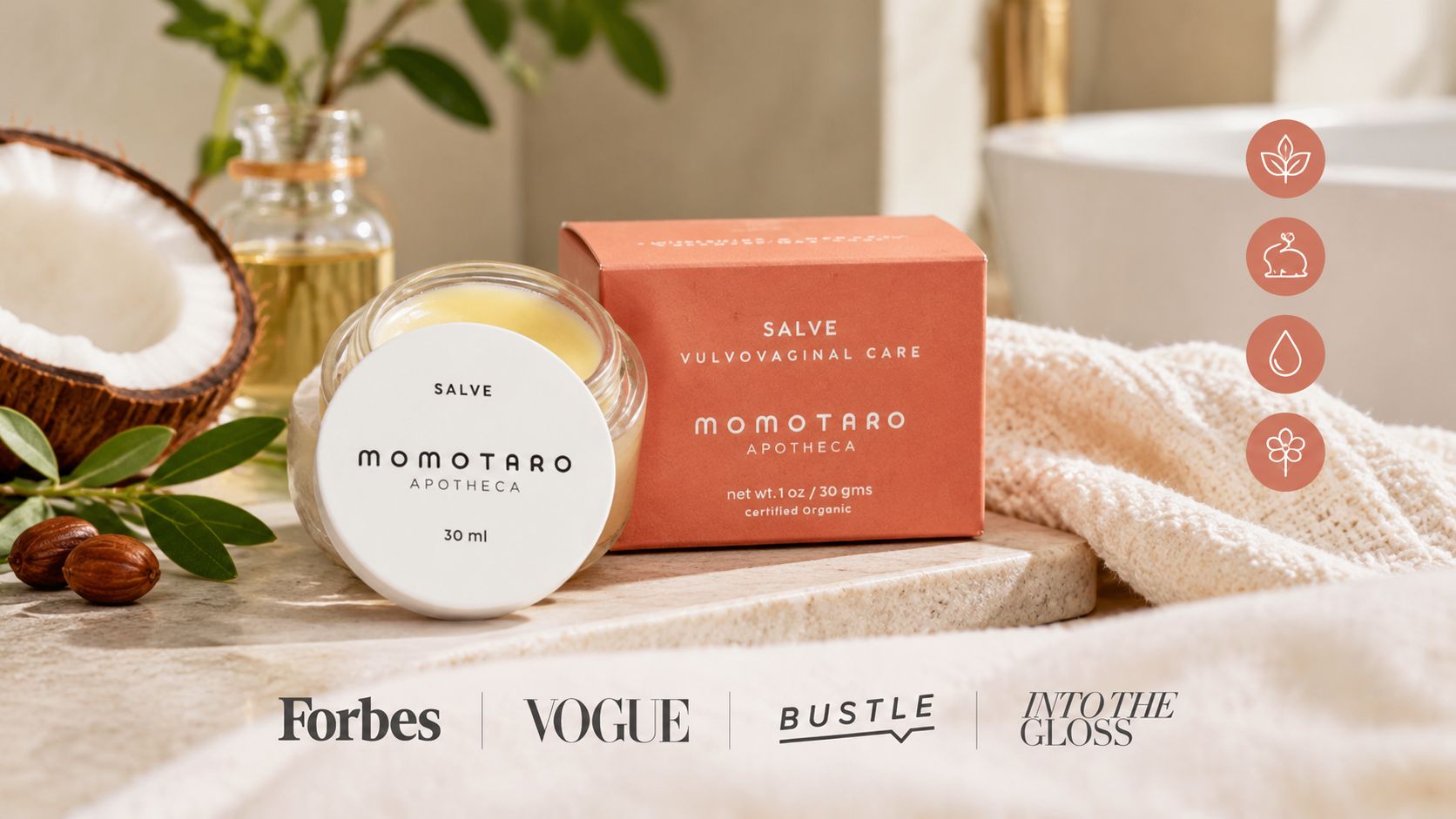
For external dryness or friction-related irritation, a person might consider a product such as Soothe & Restore Salve, an organic balm described by its maker for vulvovaginal dryness, itching, and irritation. It's intended for external comfort and shouldn't be used as a substitute for urine testing or treatment when infection is possible.
UTI vs Irritation vs Hormonal Changes How to Tell the Difference
The most useful comparison is not “Which symptom belongs to which condition?” Symptoms overlap too much for that. Instead, look at where the discomfort is felt, when it appears, what accompanies it, and whether testing supports infection.
| Pattern | Typical Clues | What It Suggests | Next Step to Discuss |
|---|---|---|---|
| Possible bacterial UTI | Burning with urgency, frequency, pelvic pressure, or new urinary changes | Infection may be affecting the bladder or urethra | Ask a clinician whether urinalysis or culture is appropriate |
| External irritation or dermatitis | Stinging at the vulva, tenderness after sex, new product exposure, or discomfort when urine touches skin | Inflamed skin or a disrupted barrier may be involved | Stop suspected irritants and discuss an examination if symptoms persist |
| GSM | Dryness, burning, urgency, frequency, painful sex, or recurring UTI-like discomfort around perimenopause or menopause | Estrogen-related tissue and urinary changes may contribute | Discuss GSM assessment and whether local therapy is suitable |
| STI-related urethritis or cervicitis | Burning after sex, discharge, pelvic discomfort, or symptoms with negative initial urine testing | Urethral or cervical infection may need broader testing | Discuss STI testing and partner-related care |
| Bladder pain syndrome or another mimic | Persistent bladder pressure, urgency, or pain that doesn't follow a clear infection pattern | A noninfectious bladder or pelvic pain condition is possible | Request a broader evaluation rather than repeating antibiotics automatically |
A negative culture doesn't mean nothing is wrong. It means the next question may need to move beyond a routine bacterial UTI. The AAFP's dysuria review describes additional possibilities including STIs, bladder irritants, skin lesions, and chronic pain conditions. It also notes that persistent urethritis or cervicitis with negative initial testing can warrant discussion of Mycoplasma genitalium testing.
Hormonal symptoms can be especially easy to overlook. If you're trying to understand the broader picture, this resource on estrogen deficiency symptoms explained may help you recognize why urinary and vulvovaginal changes can appear together. A clinician can then determine whether GSM, infection, irritation, or another condition best fits your pattern.
Some people also explore non-prescription products for external or general vulvovaginal support, such as the Complete Infection Defense Kit. Its product description lists topical, bath, probiotic, urinary-support, and suppository components, but the manufacturer's disclaimer states that these products aren't intended to diagnose, treat, cure, or prevent disease.
How to Assess Your Symptoms and When to See a Clinician
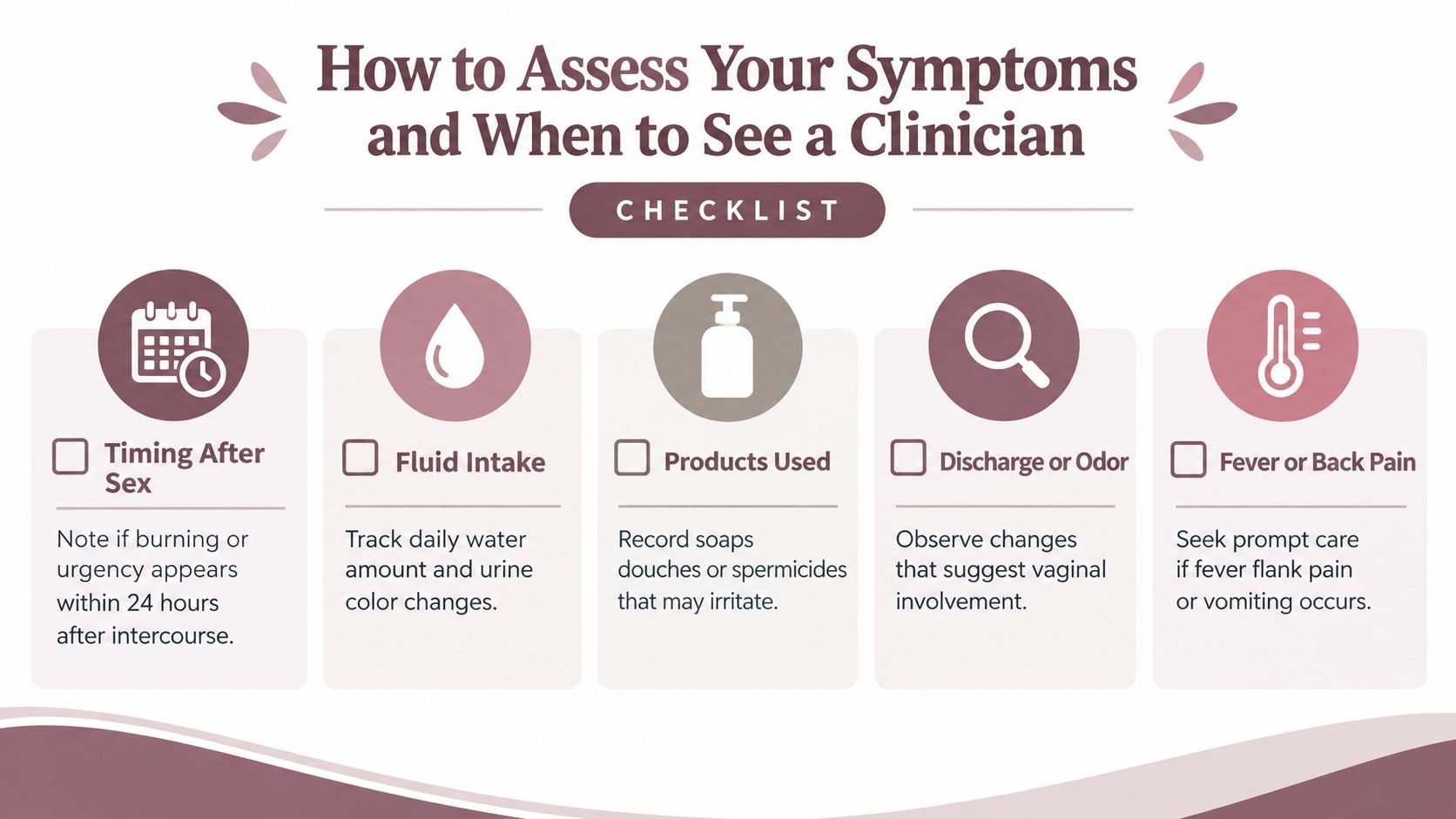
Start with observation, not panic. Write down when the discomfort began, whether it's getting stronger, and whether the sensation is internal, external, or both. A short record can help a clinician distinguish a one-time trigger from a recurring pattern.
Track the clues that change the conversation
- Timing after sex: Note whether burning, urgency, or pressure follows intercourse. Sexual activity can be a trigger for recurrent UTIs, but friction and product exposure can create similar timing.
- Fluid intake: Record whether you've been drinking less than usual and whether your urine seems more concentrated. Hydration supports regular urine flow, but it won't resolve every cause of discomfort.
- Products used: Include soaps, wipes, douches, sprays, powders, lubricants, condoms, and spermicides. A new product can be relevant even when it's marketed for sensitive skin.
- Vaginal symptoms: Discharge, odor, itching, sores, or external tenderness may point toward vulvovaginal involvement rather than an isolated bladder problem.
- Systemic symptoms: Fever, chills, flank or back pain, nausea, vomiting, confusion, or a sudden decline in general health require prompt medical attention.
For individuals with dysuria, urinalysis is a common starting point. The AAFP review recommends urinalysis for most patients and urine culture for recurrent or complicated cases. Culture can help determine whether bacteria are present and guide decisions about treatment, rather than relying only on symptom similarity.
Know when self-care isn't enough
Seek prompt care for fever, flank pain, vomiting, visible blood in the urine, severe pain, pregnancy-related concerns, or symptoms that are rapidly worsening. Recurrent discomfort also deserves a planned evaluation, particularly when prior tests have been negative or antibiotics haven't brought lasting relief.
Persistent urethritis or cervicitis may require STI evaluation beyond an initial urine test. After menopause, burning or urgency without a positive culture may reflect GSM, and asymptomatic bacteriuria can be common without requiring treatment, as discussed in this review of urinary symptoms after menopause.
You can also use this quick relief guide for UTI discomfort for general supportive ideas, but don't use temporary soothing as proof that the underlying cause has been identified.
Prevention and Self Care Routines That Support Urinary Comfort
Prevention works better as a routine than as a single trick. Drink water steadily through the day, urinate when you need to, and avoid making a habit of holding urine for long periods. After sex, urinating soon afterward is a practical measure included in public-health guidance, especially for people who notice a consistent postcoital pattern.
Gentle care protects the external barrier. Wash the vulva externally with water or a mild, fragrance-free approach that your skin tolerates, and avoid douches, sprays, powders, and heavily fragranced products. The vagina doesn't need internal cleansing, and “freshening” products can create the very irritation you're trying to prevent.
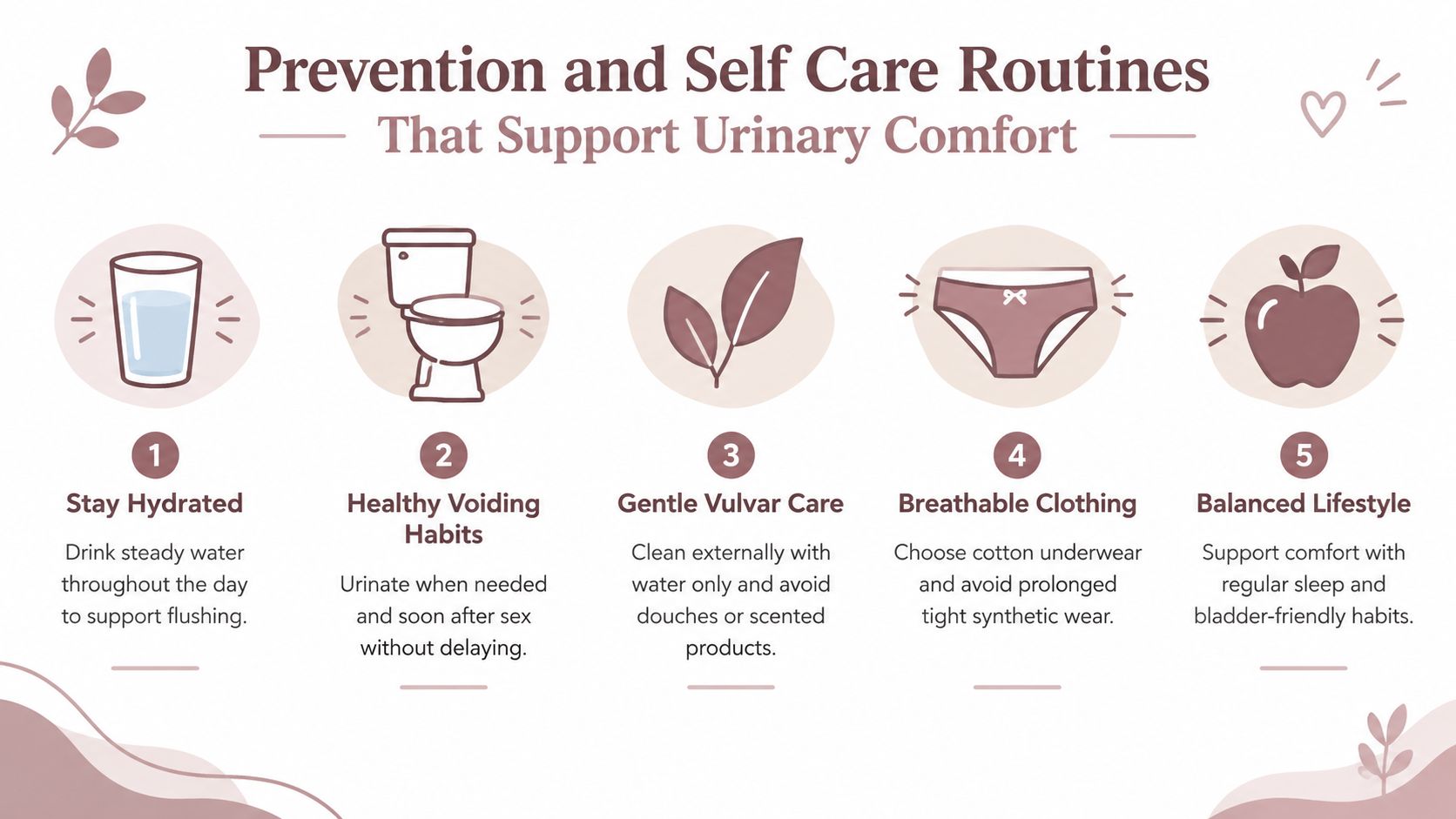
Build a daily and after-sex plan
A practical routine might include:
- Daily hydration: Keep water accessible and sip regularly rather than waiting until you feel depleted. A collapsible travel cup guide can be useful if carrying a reusable cup makes hydration easier during errands or travel.
- After-sex care: Urinate afterward, rinse external skin gently if needed, and pay attention to condoms, lubricants, or spermicides that coincide with symptoms.
- Clothing choices: Change out of sweaty clothing and choose breathable options when possible. Tight synthetic clothing may increase heat, moisture, and friction for some people.
- Bladder awareness: Notice whether caffeine, alcohol, spicy foods, or acidic drinks appear to worsen urgency or bladder sensitivity. Personal patterns matter more than a universal forbidden-food list.
- Supportive products: Non-prescription balms, oils, and supplements may support comfort for some people, but they can't replace testing for suspected infection.
For a more detailed habit-based approach, review this guide on how to prevent a UTI naturally. If UTIs keep returning, ask a clinician about evidence-based prevention options, including whether postcoital prophylaxis or, after menopause, local vaginal estrogen is appropriate.
Finding Lasting Comfort and Building Your Personal Care Plan
The most reliable plan begins with body literacy. Track what happens after sex, which products touch your skin, whether symptoms are internal or external, and whether a urine test supports infection. Those details help you and your clinician move from repeated guesswork toward a more specific explanation.
A recurring pattern after intercourse may call for a prevention conversation. Burning with dryness after menopause may point toward GSM. Urgency with repeated negative cultures may need assessment for bladder pain, irritation, pelvic floor involvement, or another condition. Vaginal discharge, odor, sores, or STI exposure changes the type of testing that may be useful.
If you're considering supportive care, choose products according to the symptom and location you're addressing. External soothing care is different from urinary testing, and a supplement is different from prescribed treatment. Discuss local vaginal estrogen with a qualified clinician when GSM and recurrent urinary symptoms are part of your experience.
You don't have to solve every episode alone, and you don't have to minimize discomfort because the first test was negative. Stay curious about the pattern, seek timely care when symptoms persist or intensify, and let the explanation guide the routine.
Momotaro Apotheca offers plant-based vulvovaginal care, including balms, oils, ingestibles, and curated routines for irritation, dryness, urinary tract concerns, after-sex care, and menopause-related comfort. Explore the condition and symptom collections at Momotaro Apotheca and choose supportive care that fits your needs, alongside appropriate clinical evaluation.


