


How to Treat Recurrent Yeast Infections: Proven Remedies
You finish a course of fluconazole, feel normal for a few weeks, and then the itching returns. Maybe it shows up just before your period. Maybe the discharge changes again after antibiotics, sex, or a stressful stretch of poor sleep. Reaching for another one-dose treatment can feel practical, but repeated symptoms deserve a better plan than cycling through the same pill.
Recurrent vulvovaginal candidiasis, or RVVC, is a long-game condition. Treatment usually requires confirmed diagnosis, an initial clearance phase, ongoing suppression, and a realistic support routine. Plant-based care can help with external comfort and daily vulvar care, but it shouldn't replace testing or prescription treatment when infections keep returning.
Table of Contents
- When It Stops Being a One-Off and Starts Being Recurrent
- Confirming What's Going On Down There
- The Prescription Pathway Most Clinicians Use
- Non-Prescription and Plant-Based Options Worth Knowing
- At-Home Support and Daily Habits That Reduce Flares
- Your Long-Term Maintenance Plan
- Red Flags, Special Populations, and When to Escalate
When It Stops Being a One-Off and Starts Being Recurrent
You track symptoms in your calendar, notice the same burning before your period, and reach for another treatment. That pattern can point to RVVC, but timing alone cannot identify the cause. The CDC defines RVVC as three or more symptomatic episodes in less than one year, and reports that it affects fewer than 5% of women. Guideline reviews estimate that 5% to 8% of women of reproductive age may be affected, making recurrent disease uncommon but important to manage carefully. (CDC candidiasis treatment guidelines)
Frequent symptoms do not automatically mean repeated yeast infections. A flare may reflect persistence of the original organism, a different Candida species, incomplete clearance, or a condition that was never yeast. Bacterial vaginosis, contact dermatitis, vulvar skin disease, sexually transmitted infections, and mixed infections can all cause burning, itching, irritation, or discharge.
Look for the pattern, not a stronger pill
Several clues can shape the next clinical decision:
- Antibiotic exposure: Antibiotics can disturb organisms that help maintain vaginal balance.
- Metabolic or immune factors: Poorly controlled diabetes, immunosuppressive treatment, or another immune concern can make treatment harder.
- Species differences: Non-albicans Candida may respond poorly to standard azole treatment.
- Hormonal timing: Symptoms may follow predictable cycle changes, though timing does not confirm yeast.
- Incomplete clearance: Symptoms can improve while the organism remains and returns after treatment stops.
Keep a brief record of symptom timing, recent antibiotics, treatments, menstrual changes, and whether symptoms fully resolved. Bring that record to the appointment. It gives the clinician a usable pattern without turning the calendar into a diagnosis.
Practical rule: Repeated symptoms call for organism confirmation and a long-term plan, not self-directed dose increases.
RVVC is not a hygiene failure. Scrubbing the vulva, washing harder, or using fragranced products can irritate inflamed skin and blur the picture. Focus on the organism present, the triggers that keep symptoms returning, and a maintenance plan that fits your body and medications. That approach treats RVVC as an ongoing condition rather than a string of isolated infections.
Confirming What's Going On Down There
When symptoms return soon after treatment, pause before reaching for another over-the-counter product. Vaginal symptoms overlap, so recognizing itch alone does not confirm Candida. The same discomfort can arise from bacterial vaginosis, dermatitis, an STI, low-estrogen tissue changes, or more than one condition at once. Repeating treatment without confirming the cause can delay the care that will help.
A clinician should begin with an examination and basic testing. A saline and potassium hydroxide wet mount can look for yeast forms, clue cells, and other findings. Vaginal pH adds context, because typical yeast patterns differ from conditions that more often raise pH. Culture can identify Candida and reveal its species, information that guides the next treatment decision.
Ask for answers that change treatment
When symptoms recur or treatment does not work as expected, ask whether the appointment should include:
- Microscopy: Saline and KOH wet-mount examination.
- Vaginal pH: A pH above 4.5 can suggest a non-Candida cause or co-infection, although pH alone cannot diagnose the problem.
- Culture and species identification: Especially useful when symptoms recur or treatment has failed.
- Sensitivity testing: Consider it when azole resistance is suspected or the organism has been difficult to treat.
- Follow-up testing: Repeat microscopy or culture may help confirm clearance when symptoms persist or return quickly.
- Additional evaluation: STI testing or referral to vulvar dermatology may fit symptoms that do not match uncomplicated candidiasis.
| Test | What It Shows | When to Request |
|---|---|---|
| Saline wet mount | Yeast, bacterial vaginosis clues, and other vaginal findings | At an evaluation for active symptoms |
| KOH microscopy | Yeast elements and related findings | When candidiasis is suspected |
| Vaginal pH | Whether the environment suggests yeast, another condition, or co-infection | Alongside the examination |
| Culture with species identification | The Candida species present | With recurrent, persistent, or unclear symptoms |
| Sensitivity testing | Whether the isolate may respond to an antifungal | When resistance or treatment failure is suspected |
Home screening can provide a starting point. Review this medically grounded guide on how to test for a yeast infection at home, then seek clinical evaluation when symptoms recur. A home result cannot identify every cause or replace culture and examination.
Bring the names and dates of antifungals used, how quickly symptoms returned, culture results, recent antibiotics, pregnancy or breastfeeding status, and your medication list. Ask directly: “Was Candida identified?” “Which species was it?” “Do I need sensitivity testing?” and “What is the plan if symptoms break through maintenance?” These answers turn recurring flares into a documented condition with a treatment plan, rather than a cycle of guesswork.
The Prescription Pathway Most Clinicians Use
Recurrent vulvovaginal candidiasis needs a two-phase prescription plan, induction followed by maintenance. The initial goal is mycologic remission. Clinicians may use 7 to 14 days of topical therapy or fluconazole 100 mg, 150 mg, or 200 mg every third day for three doses on days 1, 4, and 7, then fluconazole once weekly for six months, according to the CDC candidiasis treatment guidelines.
Induction treats the active flare thoroughly. Maintenance suppresses relapse over time while your clinician reviews symptoms, test results, medication interactions, and tolerance. Feeling better after the first dose does not mean the recurrence-prevention phase is complete.
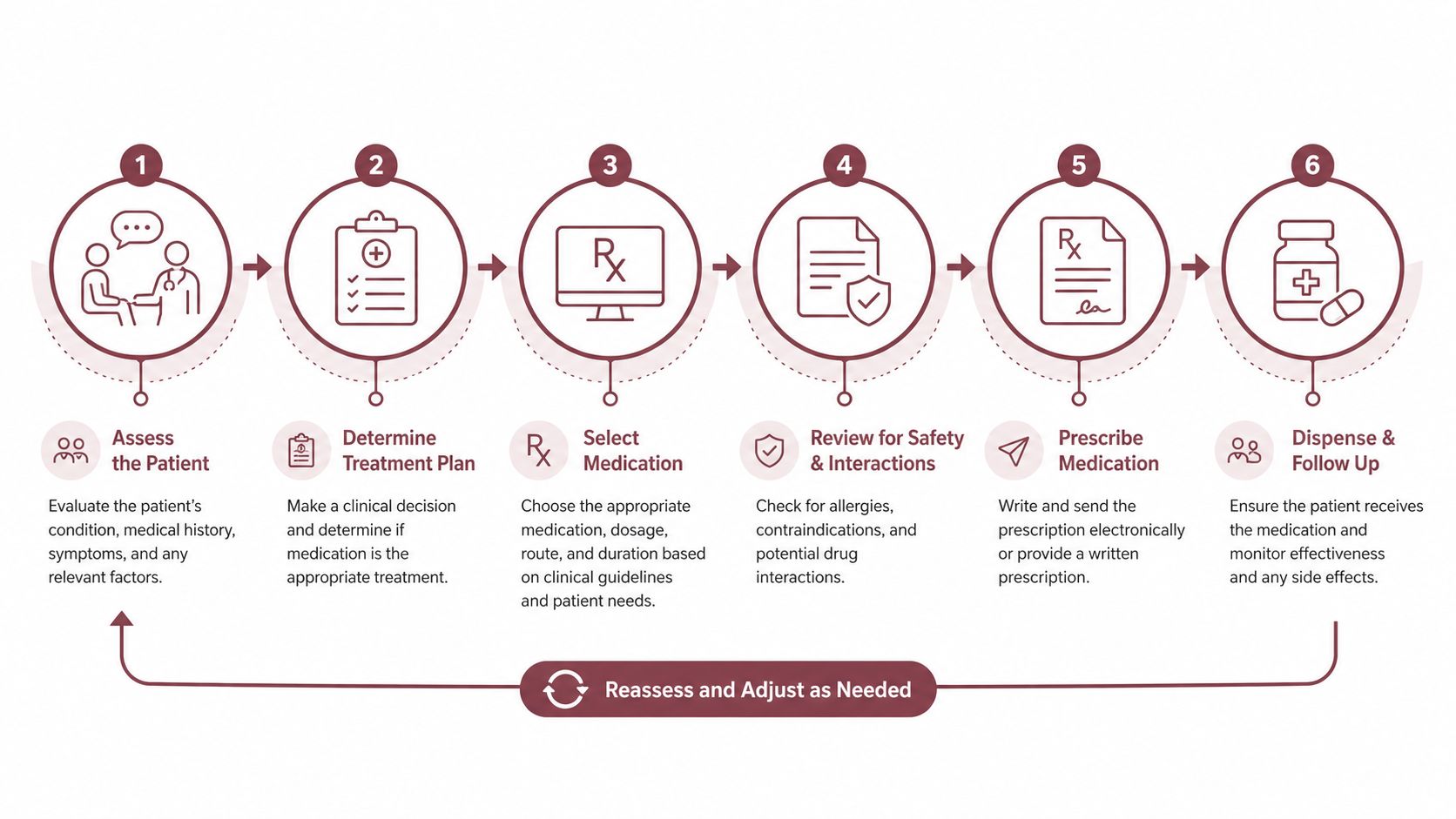
How the options differ
Topical azoles, including clotrimazole and miconazole, may be used nightly for 7 to 14 days, particularly when oral medicine is unsuitable. Nystatin may fit non-albicans or azole-resistant infections, with the regimen chosen according to the identified species and your medical history.
Boric acid is another clinician-directed option. Guidance describes 600 mg vaginally daily for three weeks when recurrence persists. Never swallow it, and avoid vaginal boric acid during pregnancy unless a specialist specifically directs its use. The Canadian Family Physician guideline review discusses these treatment considerations.
Oteseconazole may suit selected non-pregnant patients who need an alternative prevention strategy after standard suppression has not lasted. Restrictions related to reproductive potential make it unsuitable for some people.
Long-term oral treatment calls for a medication review. Fluconazole can interact with other medicines, and ongoing treatment may require attention to liver safety. Do not change the schedule, combine antifungals, or use leftover tablets without clinical guidance.
Plant-based products support external comfort and daily vulvar care, but they should not replace clinical testing or prescription treatment for recurrent infections. The Complete Infection Defense Kit includes external products, a probiotic, urinary and bladder support, and plant-derived suppositories. Its catalog guidance states that these products are not intended to diagnose, treat, cure, or prevent disease.
Non-Prescription and Plant-Based Options Worth Knowing
Plant-based support belongs in a recurrent-yeast plan as symptom support, not as a replacement for testing or prescribed treatment. Use it to calm external irritation, reduce product exposure, and make a clinician's maintenance plan easier to follow. Ongoing or returning symptoms still call for evaluation rather than repeated self-treatment.
Compare the trade-offs honestly
| Option | Best Use | Evidence Level | Safety Notes |
|---|---|---|---|
| Nystatin | Non-albicans or azole-resistant cases when prescribed | A recognized alternative in specialist guidance | Use the prescribed regimen and confirm the species |
| Clotrimazole or miconazole | Familiar, uncomplicated symptoms when a clinician or prior diagnosis supports use | Established topical antifungal options | Persistent or recurrent symptoms need evaluation |
| Calendula or plain warm-water soaks | External comfort | Supportive, not curative | Keep preparations mild and stop if burning develops |
| Diluted tea tree oil | External soothing only, if tolerated | Not a substitute for antifungal treatment | Essential oils can irritate or trigger allergy, never apply undiluted or internally |
| Garlic | Food use, not vaginal treatment | No reliable basis here for calling it a cure | Don't insert garlic, which can injure tissue and irritate the mucosa |
| Fragrance-free external barrier | Protecting irritated vulvar skin from friction and moisture | Supportive, not curative | Use only on outer skin, and stop if it stings or causes a rash |
The practical rule is simple: keep plant-based products external and mild. A plain warm-water soak or a fragrance-free barrier may ease discomfort while the underlying problem is being assessed. Tea tree oil and calendula can irritate sensitive skin, so stop at the first sign of burning, swelling, or a new rash. Never place essential oils, garlic, or untested mixtures inside the vagina.
Boric acid and prescription prevention options require clinician direction, so they do not belong in a self-care experiment. Keep any clinician-recommended vaginal product clearly labeled and away from children and pets. Pregnancy, medication interactions, allergies, and unexplained bleeding all warrant a clinician's input before adding products.
For probiotic decisions, NexiHerb LLC supplement guidance can help you review how supplement products describe their use. Treat that information as product guidance, not a diagnosis or a substitute for antifungal care.
Momotaro Apotheca's guide to a natural remedy for yeast infection offers another perspective on plant-based symptom support. Use the same boundary: comfort measures may sit alongside a treatment plan, while confirmed recurrent infection needs appropriate clinical management.
At-Home Support and Daily Habits That Reduce Flares
Home care should make the vulva calmer, drier, and less exposed to irritants. It won't identify Candida, clear azole-resistant organisms, or replace the induction and maintenance plan described above. It can, however, prevent extra friction while inflamed skin recovers.
Start with the simplest interventions. Rinse with lukewarm water, pat dry, and avoid douching, vaginal wipes, scented washes, deodorant sprays, and fragranced pads. A plain warm-water sitz bath may relieve external discomfort; if you try diluted apple cider vinegar, stop immediately if it stings, and don't put concentrated vinegar in the vagina.
Build a low-irritant daily routine
- Change out of damp clothes: Remove sweaty workout clothes and wet swimwear promptly.
- Choose breathable layers: Cotton underwear and loose clothing reduce trapped moisture and friction for many people.
- Protect irritated outer skin: A bland barrier such as zinc oxide may help shield vulvar skin, but keep it external and avoid broken skin unless a clinician advises otherwise.
- Skip aggressive cleaning: The vagina doesn't need scrubbing, deodorizing, or internal rinsing.
- Watch your personal triggers: Note whether symptoms follow antibiotics, sex, cycle changes, or a particular product.
Probiotics are reasonable to discuss, especially around antibiotic use, but don't treat them as a guaranteed cure. Products may contain strains such as Lactobacillus rhamnosus GR-1 or Lactobacillus reuteri RC-14, yet the right choice depends on your overall plan, immune status, pregnancy or breastfeeding status, and other medications.
Food can support general health without becoming a magical yeast diet. If you want practical meal ideas that emphasize digestive wellness, browse gut health recipes for performance, but don't blame yourself for a flare after eating sugar or any single food. Track patterns rather than chasing restrictive rules.
A comfortable routine also means reducing friction during sex, using a suitable lubricant when needed, and pausing activities that worsen burning. If an external product causes heat, rash, or sharper itching, wash it off and don't keep testing it on already inflamed skin.
Your Long-Term Maintenance Plan
A six-to-twelve-month plan turns recurrent yeast infections into a condition you can monitor, rather than a string of isolated emergencies. Rather than asking only how to stop today's itching, decide what you will do when symptoms improve and how you will recognize the next flare early.
Use a simple record
Once a week, record symptoms, cycle timing, sexual activity, recent antibiotics, major stress, sleep disruption, and any relevant glucose results. Do not treat one entry as proof that a particular food or event caused the flare. Repeated associations are more useful, especially when you bring them to a clinician.
Schedule check-ins around the maintenance plan. At approximately three, six, and twelve months, ask whether the dose remains appropriate, whether testing is needed, and whether treatment only after confirmed symptoms is a reasonable next step. The decision depends on your recurrence pattern, Candida species, response, other medications, and safety considerations.
Track the flare, not just the treatment. The date symptoms return after a dose can be as useful as the name of the medicine.
Breakthrough symptoms deserve a pause before another dose. Contact the prescriber, arrange testing when possible, document what happened, and ask whether resistance, non-albicans Candida, a mixed infection, or a noninfectious condition needs consideration. An evidence review of recurrent vulvovaginal candidiasis describes reassessment after 4 to 6 weeks in some protocols, using microscopy or culture to review the diagnosis and detect resistance or non-albicans Candida.
Keep the plan adjustable. Suppression can control symptoms without permanently removing the tendency to recur, and relapse after stopping treatment remains possible. A flare is information that may help your clinician decide whether to continue, change, or taper therapy.
For practical prevention ideas, review this guide to how to prevent recurring yeast infections. Use it alongside your clinical plan, not as a substitute for reassessment when symptoms change or return quickly. A maintenance record gives you a clearer basis for each treatment decision.
Red Flags, Special Populations, and When to Escalate
A third flare in the same year, symptoms that return within days, or discharge that suddenly smells different calls for a clinical review. Another over-the-counter antifungal is not the right response to fever, pelvic pain, foul-smelling discharge, bleeding after sex, new sores, or vulvar lesions that do not resolve. Repeated episodes that meet the CDC definition of RVVC also need a structured plan, because recurrence changes the evaluation and treatment pathway.
Know when self-care stops being appropriate
Book a routine appointment when symptoms keep returning, treatment helps only briefly, the diagnosis has never been confirmed, or you need a long-term prescription. Seek urgent care for severe pelvic pain, fever, rapidly worsening swelling, significant bleeding, or a serious allergic reaction. Do not wait for another home remedy when the symptoms could signal a more urgent condition.
Pregnancy changes medication choices. The CDC recommends only topical azole therapy for seven days during pregnancy and advises against oral fluconazole. Avoid boric acid during pregnancy unless a specialist gives explicit instructions. (CDC candidiasis treatment guidelines) Breastfeeding also calls for a medication review, especially before oral treatment or multiple supplements.
Diabetes, HIV, another immune condition, or immunosuppressive treatment all justify earlier clinician involvement. Blood glucose control may affect recurrence, but every flare does not mean diabetes, and prescribed medication should not be changed without guidance. Long-term antifungals also require an interaction check, particularly with medicines such as warfarin, statins, or certain antipsychotics.
Weekly fluconazole does not suit every case. Depending on the species, resistance pattern, pregnancy status, and other health factors, a clinician may consider nystatin for non-albicans or azole-resistant infections, boric acid in selected circumstances, or oteseconazole for specific non-pregnant patients. Reproductive restrictions matter. (2026 state-of-the-art review)
Bring useful information to the appointment
Take your symptom diary, treatment names and dates, culture reports, medication list, pregnancy or breastfeeding status, recent antibiotic history, and glucose or A1C trends when relevant. Ask about species identification and sensitivity testing when symptoms persist. A continuing flare can reflect resistance, non-albicans Candida, a mixed infection, or a noninfectious condition, so repeated self-treatment can delay the correct diagnosis.
| Trigger Type | Specific Sign or Situation | Who It Affects Most | Action Required |
|---|---|---|---|
| Urgent symptoms | Fever, pelvic pain, severe swelling, or significant bleeding | Anyone with acute or worsening symptoms | Seek urgent medical care |
| Diagnostic uncertainty | First episode, unusual discharge, sores, or odor | Anyone without a confirmed diagnosis | Book a clinical examination and testing |
| Recurrent pattern | Three or more symptomatic episodes in less than one year | People meeting the CDC RVVC definition | Request a structured induction and maintenance evaluation |
| Treatment failure | Symptoms return during suppression or soon after treatment | People with possible resistance or non-albicans Candida | Contact the prescriber and request reassessment |
| Pregnancy | Pregnancy or possible pregnancy | Pregnant patients | Use clinician-directed topical treatment, avoid self-directed oral fluconazole or boric acid |
| Medication complexity | Antifungal use alongside interacting medicines | People taking multiple prescriptions | Complete a pharmacist or clinician interaction review |
| Immune or metabolic risk | Diabetes, HIV, or immunosuppressive treatment | Immunocompromised or metabolically vulnerable patients | Arrange earlier evaluation and address underlying risks |
Save this checklist:
- Confirm: Get an examination and culture before assuming every flare is RVVC.
- Treat: Complete the prescribed induction phase, then follow maintenance exactly.
- Support: Use breathable clothing, gentle external care, and no douching. Use boric acid or probiotics only after clinician sign-off.
- Monitor: Track cycle timing, glucose trends when relevant, antibiotic exposure, medicines, and breakthrough symptoms.
RVVC is a manageable pattern. Poor hygiene, sexual activity, lack of willpower, and inadequate personal cleanliness do not explain every recurrence. Body literacy means learning which symptoms are familiar and which need a professional examination. Maintenance protocols often extend over six months, with some prevention plans lasting six to twelve months, so build a routine rather than expecting one dose to end the cycle. As noted earlier, suppression controls symptoms while treatment continues, and relapse after stopping remains possible.
If a flare has not settled within 72 hours, contact a clinician instead of stacking treatments or inserting untested products.
Momotaro Apotheca offers plant-based vulvovaginal support, including external salves, bath and body oils, probiotics, and condition-focused kits for the comfort and daily-care layer of an RVVC plan. Visit Momotaro Apotheca to explore those options, while keeping prescription treatment and testing at the center when symptoms recur.


